
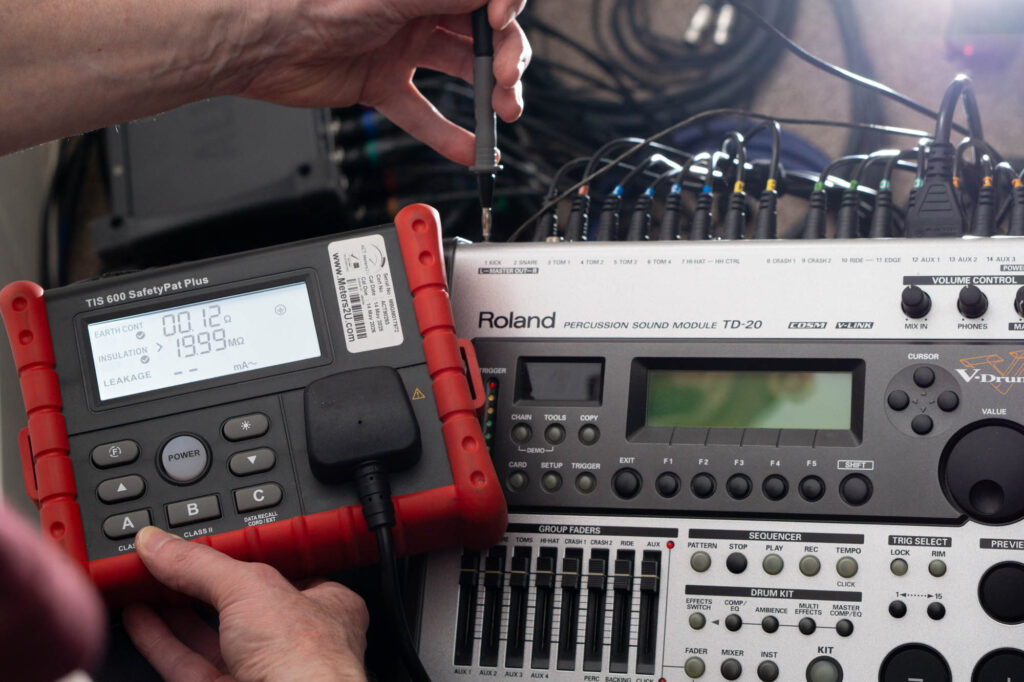
City & Guilds 2377 qualified, offering thorough PAT testing in line with the IET Code of Practice (5th Edition, 2020).
Equipment is carefully inspected, tested, and documented with clear, professional PDF reports.
Ideal for small businesses (SMBs), offices, studios, musicians, and event kit owners who want peace of mind and paperwork showing due diligence for compliance.
Based in Ripley, Derbyshire.
Please contact me for further information and bookings.
Proudly offering thorough, professional PAT testing services in Ripley, Codnor, Somercotes, Heanor, Alfreton, Belper, Swanwick, Denby, and surrounding Derbyshire communities.
PAT Testing Process
It typically takes around 10-15 minutes per item to properly check, test and record. My process ensures every device fully meets IET standards, giving you peace of mind.
To show where this time goes, here’s an overview of what happens per item for a thorough inspection:
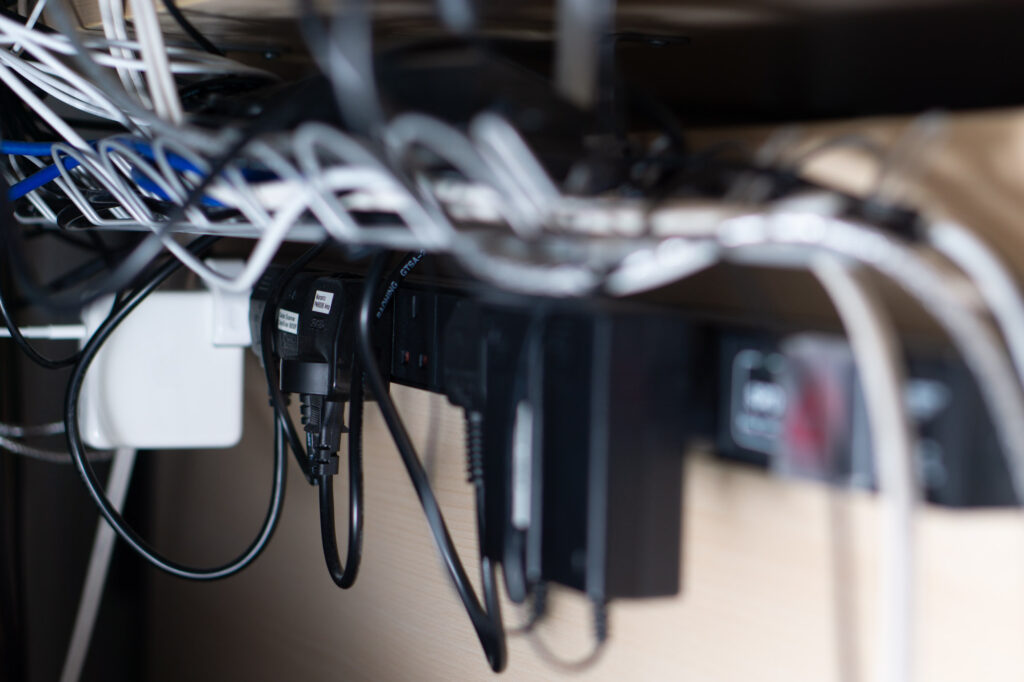
Access
If devices or cables are under desks or hard to access, moving them for testing takes time. Setting them aside before I arrive reduces your bill (hourly rates plus consumables).
Visual Inspections
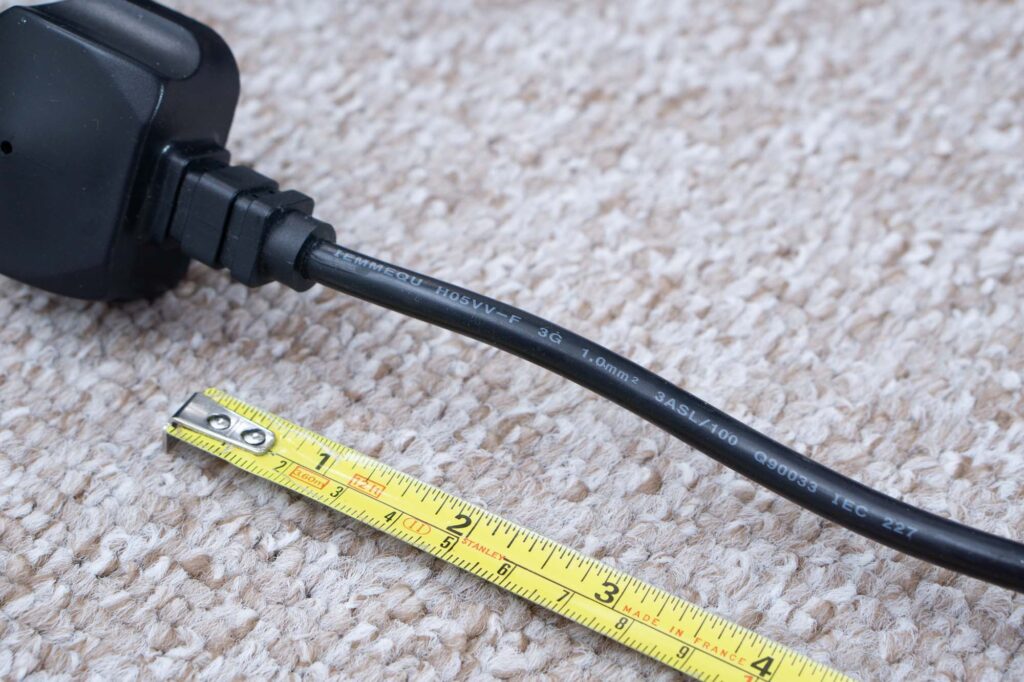
I check cables for CSA (cross-sectional area) markings and measure flex length to calculate resistance for later tests. This can be fiddly as markings are often tiny, scuffed, or hard to read, and the full cable needs inspecting.
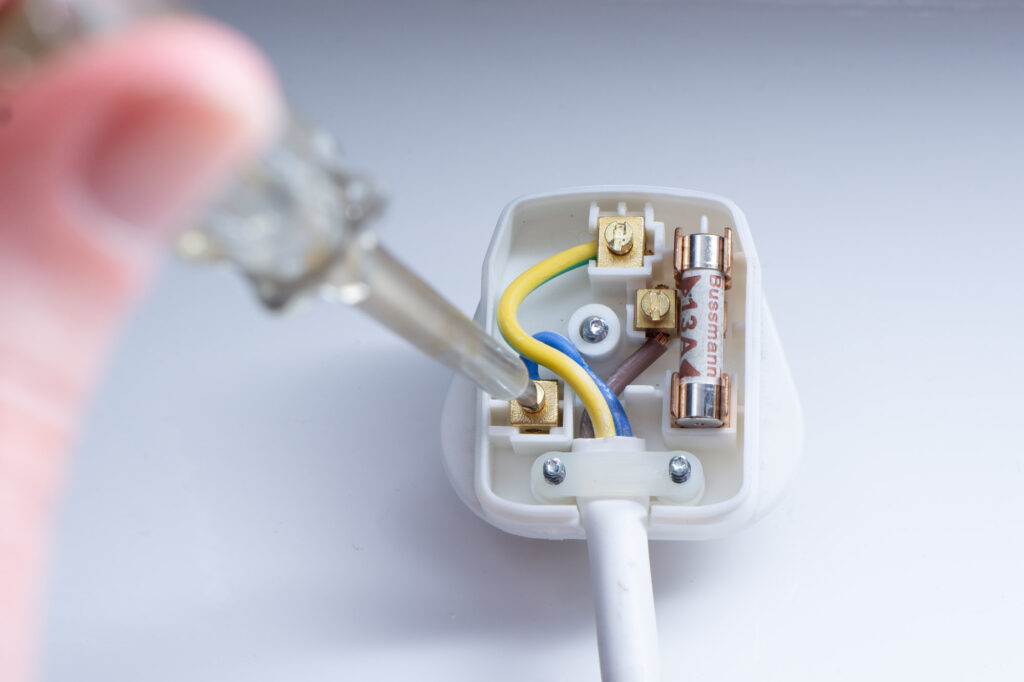
Covers are removed from rewireable plugs to check all terminals ensuring correct cable routing and secure grip of the conductors.
Plug tops are checked to ensure no cracks, damage or burn/heat marks. The full length of the cable is checked for possible breaks, cuts or other damage.
The rating of the installed fuse is checked to ensure it’s appropriate for the cable CSA and device power needs, replaced if needed. Flex checked for condition and that it’s suitably sized to safely handle the device power requirements.
The device itself is also checked to ensure it’s undamaged in any way that presents a potential danger.
Electrical Testing
After visual checks pass, I move on to electrical tests. These vary by device class and other factors.
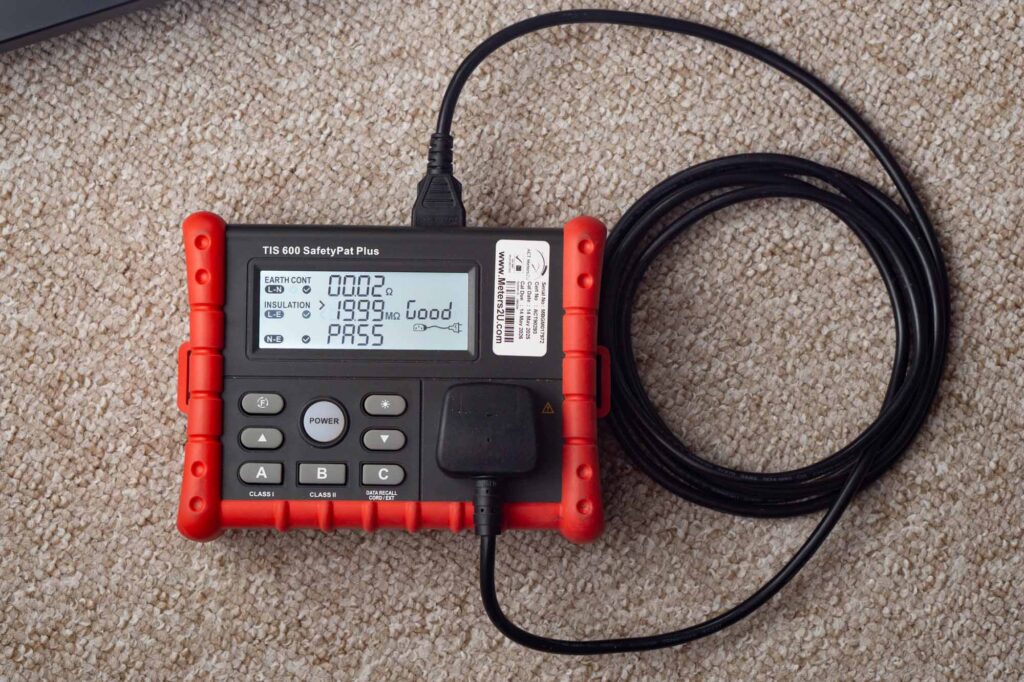
Electrical tests use a calibrated PAT tester, but a machine PASS isn’t always safe. I check readings to catch borderline or unsafe issues. The reverse can also happen: some items get a machine FAIL, but pass cleanly once cable size and length are factored in, saving you money on unnecessary replacements.
Functional Test
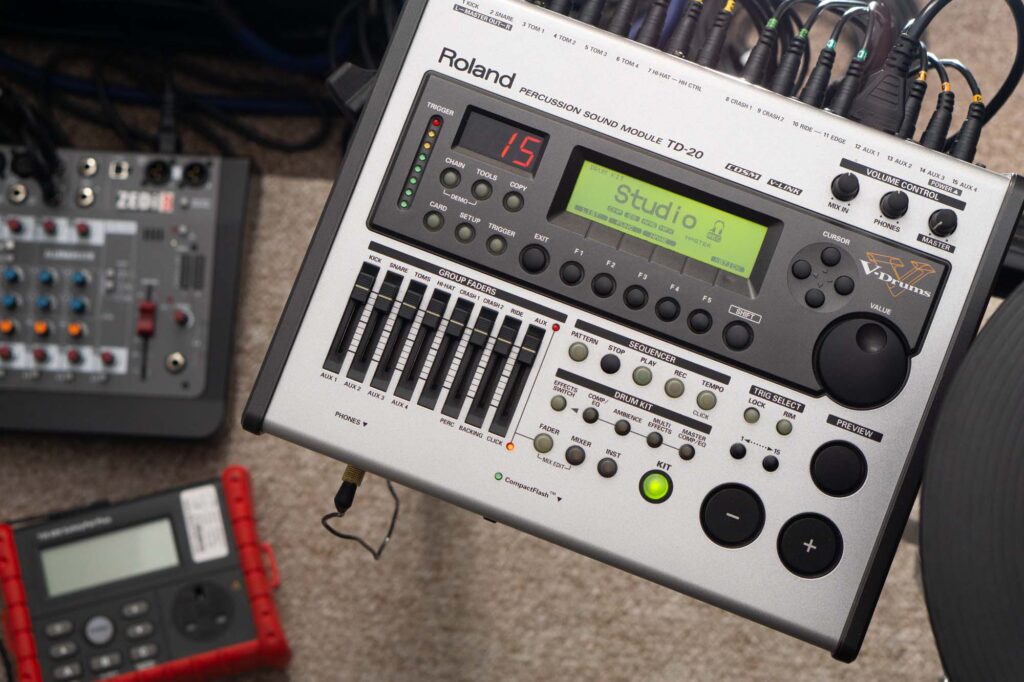
Following visual and electrical checks, if all is well, the final step is the functional test. This involves powering on the device to check it actually functions.
Record Keeping
I log all checks in a spreadsheet to ensure nothing’s missed, using custom formulas to calculate pass/fail values based on cable length, device class, and other factors.
Money Saving Repairs
If a device fails initial tests, I take resonable steps to try and fix it, such as cleaning contacts or reseating connections. This often bringing items back to spec saving you replacement costs.
A basic computer mains lead can cost £10, so fixing just a few saves you money. I focus on thorough testing and repairs to keep your costs low while meeting standards.
Final Report
It’s also worth noting that IEC flex leads (and similar) are tested both independently and in combination with the device they’re powering. For example, a desktop computer and monitor typically involves four separate tests. We also need to test all extension leads. As such, the number of line items can add up quite quickly.
Take the next step and book your PAT test today, or contact me should you require further information.